
My Books of 2012
Books I’ve loved this year in no particular order and not necessarily published in 2012:
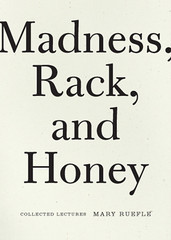
Mary Ruefle, Madness, Rack, and Honey
Poets were writing the best non-fiction prose I read this year, both allusive (which I’d expect) but also incisive. See also Christian Wiman
Wilkie Collins, The Woman in White
The first great Victorian thriller and the source of stock characters such as nefarious Italian counts. What I hadn’t expected was the abundance of sly humor (reminiscent of Dickens, Collins’ best friend) and genuine thrills.
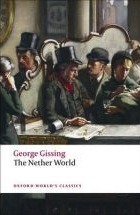
George Gissing, The Nether World
Squalor, love, and betrayal pretty much unleavened by sentiment and redemption in 19th century London
Seamus Heaney, Station Island
The most perfect single volume of poetry I’ve read since Rilke’s New Poems or Lowell’s Life Studies or maybe ever.
Christian Wiman, Ambition and Survival. See Ruefle and read ‘em both.
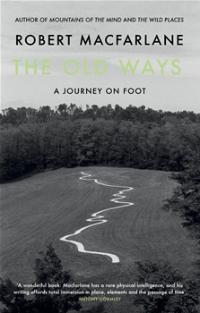
Robert Macfarlane, The Old Ways
Nature writing and much more than that without woo-woo mysticism, every metaphor fresh and unalloyed.
Pico Iyer, The Man Within My Head
Graham Greene as literary father, doppelgänger, and mystery man.
Francis Spufford, Red Plenty
A stunning exercise in creative non-fiction, economics, and history.
Lauren Winner, Still
A priest and memoirist goes deep into loss of love conjoined to loss of faith.
Michael Gorra, Portrait of a Novel: Henry James and the Making of An American Masterpiece
An account of a novel via biography, social history, and criticism that’s as juicy as a novel itself.
Andre Aciman, Alibris: Essays on Elsewhere
Aciman is one of my favorite memoirists (to say nothing of his fiction) and these pieces–less biographical than essayistic quests–are among his best.
Christopher R. Beha, What Happened to Sophie Wilder
A beautiful and surprising novel which unfolds into a diptych exploring love, belief, and the sheer mystery of other people.
Nicolas Mosley, Julian Grenfell
Ostensibly a biography of handsome and gifted aristocrat-scion killed in World War I, it’s much more deeply a study of Edwardian values and a riveting portrait of Grenfell’s mother, at once monstrous and alluring. Published by Persephone Books, whose list of unjustly forgotten titles is a wonder.
Adam Phillips, Equals
Psychoanalysis not as therapy but as a critical and existential modus operandi for writing essays; as style in the best sense of the world.


