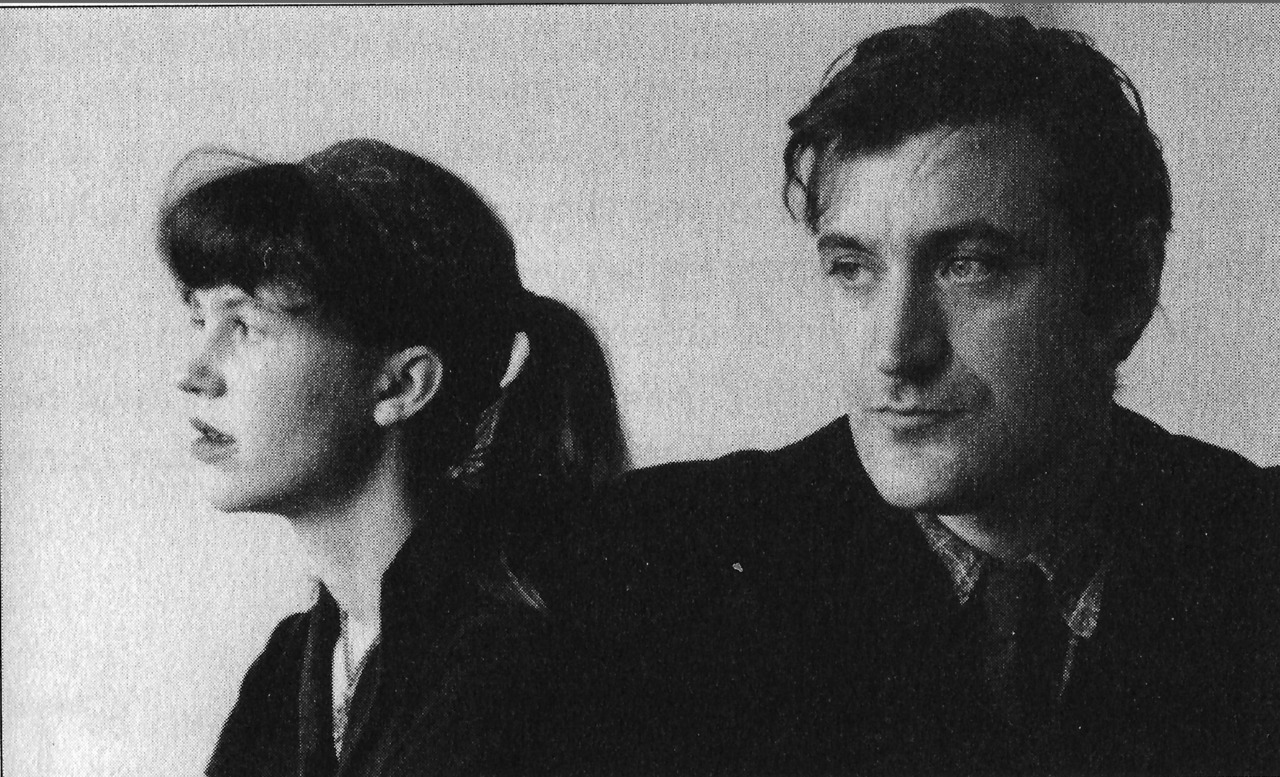
There’s a blue plaque on the facade of 23 Fitzroy Road, Primrose Hill, London, commemorating W. B. Yeat’s residence there as a boy. When in 1962 Sylvia Plath found out an apartment there was vacant she lunged: she and Ted Hughes lived around the corner and knew the neighborhood; it was, she said, the home she always wanted, Yeats’ house. Securing the lease and moving in was to her a sign of great things, of her poetic ambitions’ realization. Now the building is more famous as the place where Plath killed herself than as Yeats’ home, though there’s no monument to that fact. Standing across the street, I wondered who lived in the flat now, if importuning Plathites rang the doorbell and asked to be shown around and if the present occupier’s–co-tenants of a ghost, of self-murder–reaction was furious or resigned or if they never answered the door at all. I wondered where that stove had gone; if, absurdly, hungrily, there might still be just the faintest trace of gas.
Of course you might argue–and I certainly would–that I could get more from the poems, the ferocious despair of Plath’s “Lady Lazarus”, the sorrow and pity of Hughes’ Birthday Letters, language flayed by rage and affliction, sharp and brutal, implacable and overbearing as prophecy. But it’s the poems I can’t face, they tell it too true; it’s the poems that leave nothing to the imagination. So I stand aslant, a voyeur, on the other side of the street. I want to know everything but I don’t want there to be any consequences, any fingerprints left behind, mine or theirs.